What kind of Guitar should I Buy – What Accessories do I Need?
If you’re ready to buy your first guitar, welcome! You’re about to start one of the most rewarding hobbies (or careers) out there. But walking into a guitar shop or scrolling through online listings can be overwhelming.

Acoustic or electric? Nylon or steel? Budget or premium? Here’s a beginner-friendly guide to help you choose wisely plus the essential accessories you’ll actually need.
Step 1: Choose Your Guitar Type.
Choosing your guitar type can be a quandary in itself. If your starting out and parents are buying the guitar then there is always a desire to not waste money if your young and may quit.
Lets be honest a lot of people start then quit because its not what they wanted, they cant find any help or they expect progress to be immediate. All of these are true of different people. Consider the options below.
All Guitars are Different!
Note that no matter if you choose an acoustic or an electric one they ere all very different to hold. The difference in body sizes, depths and weights can vary quite a lot. Look and play it. If it weighs a tonne then find a lighter one!
One big part that you may not be aware of is the shape of the neck. This can be quite flat to baseball round so if the guitar your holding feels wrong it just is! It’s wrong so don’t buy it because its a nice colour etc. You will find other guitars similar in price and looks with different shape necks. Try a lot and buy the one that’s best!
Which Guitar Type should I BUY?
I’ll break it down as best I can so your more aware of your options. Personally I have a number of both acoustic and electric guitars and they are all great. Choose yours carefully!
Acoustic Guitar (Steel String)- (Don’t Buy a Gut/Plastic string acoustic):
An Acoustic Guitar is perfect for singers, songwriters, and anyone who loves unplugged playing. It’s great for pop, country, and folk styles. Look for brands like Yamaha, Fender, or Takamine as they offer solid beginner models around the $150–$300 range.
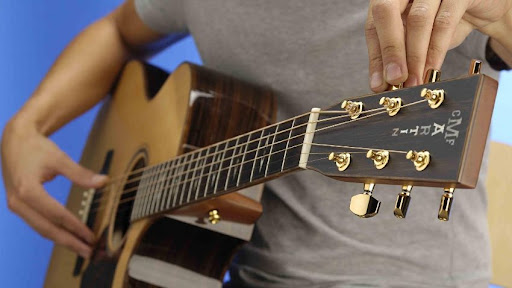
A nice acoustic guitar can double up on stage too with many being both acoustic and electric having a pickup included to plug into a PA. Note that a lot now have a cut away on the body which is great.
I’ve seen some nice Yamaha guitars like this and a friend purchased one. Really nice to play and light having the extra access was cool. This allows you to have access to the high notes in the case you want to practice your solos.
Acoustic guitars come in a number of body sizes from quite deep to quite narrow in the body so be aware there are options so your comfortable.
Classical Guitar (Nylon String):
Easier on the fingers and great for fingerstyle or classical music. Ideal for younger players or those who prefer a mellow tone. Cordoba and Yamaha make solid beginner nylon guitars.
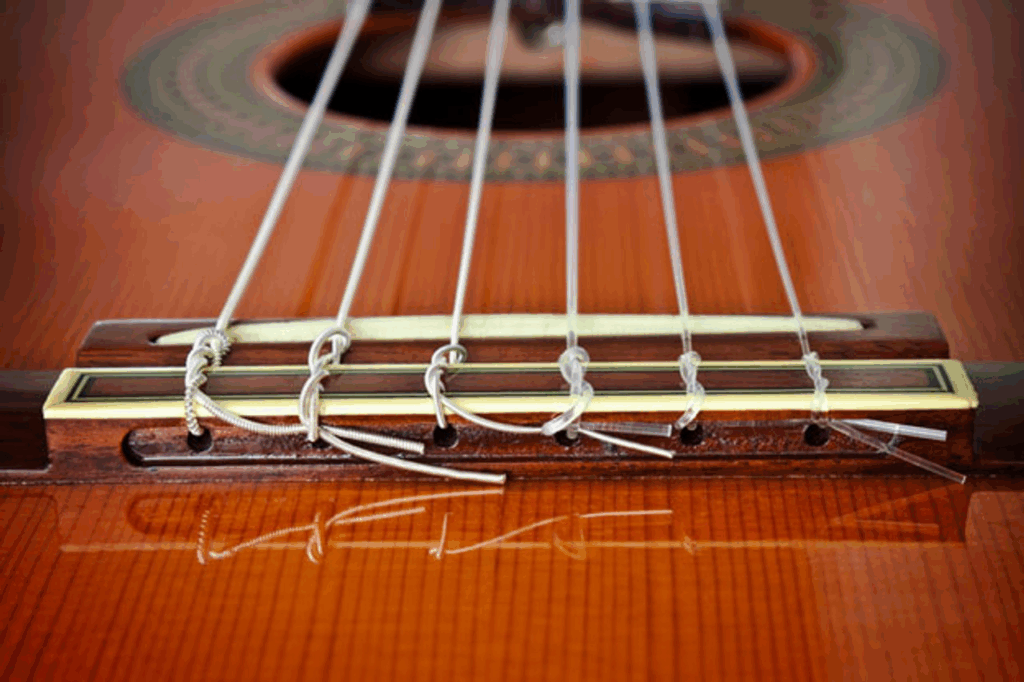
If your into this specific type of music then this is the type of guitar you need. This is a narrow genre but don’t buy a guitar like this and then add steel electric guitar strings. These generally don’t have a truss rod, a metal bar in the neck for stiffness and also to adjust the bow in the neck. You will destroy this type of guitar with the wrong strings.
Electric Guitar:
If you’re into rock, blues, or metal, go electric. They’re easier to play (lower string tension) and can produce a wide range of sounds through effects and amps. Start with an affordable model from Squire, Ibanez, or Epiphone & Harley Benton are popular.
There are some really great options in the budget guitar end of the market. The Squire Strat is one of those that offers a lot of flexibility. If your not sure exactly what music you want to play look for one with a humbucker near the bridge and two further single coils.
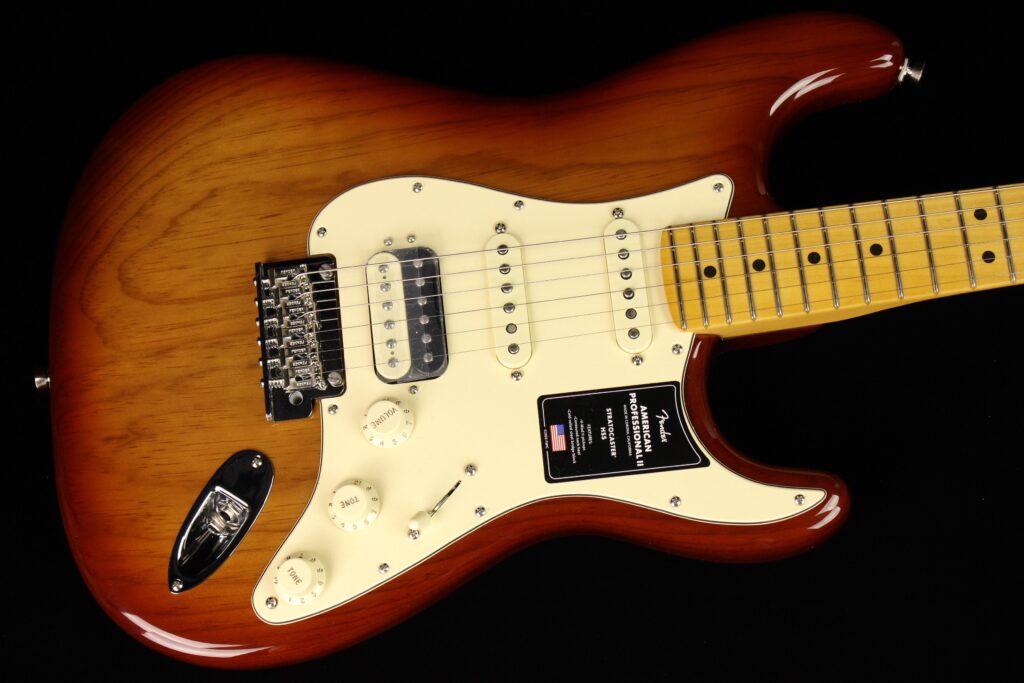
The humbucker will give you a thick rock sound and if your looking for those Fender clear bell tones then you can often make it a single coil by moving the selector up one click. This style of guitar can do metal to rock and back to country and blues, It really is a flexible and generally reported as well built good quality even at the budget end.
Pro Tip:
Try each type before buying. Comfort and sound preference matter more than brand or price tag. A well-setup $200 guitar can play better than a neglected $1,000 one.
Step 2: Must-Have Accessories
When you buy your first guitar, don’t forget these essentials:
- Tuner – A clip-on tuner (like Snark or D’Addario) keeps you in tune every time.
- Capo – Lets you change keys instantly; essential for singers.
- Strap – For comfort and safety when playing standing up.
- Picks (Plectrums) – Buy a few different thicknesses (light, medium, heavy).
- Extra Strings – Strings break, and fresh ones sound better.
- Guitar Stand or Wall Hanger – Keeps your guitar safe and visible (you’ll practice more!).
- Gig Bag or Case – Protection during travel or storage.
- Small Amp & Cable (for electric guitars) – Don’t need to go loud; small practice amps are perfect.
This list is the true essentials of a guitarist for sure.
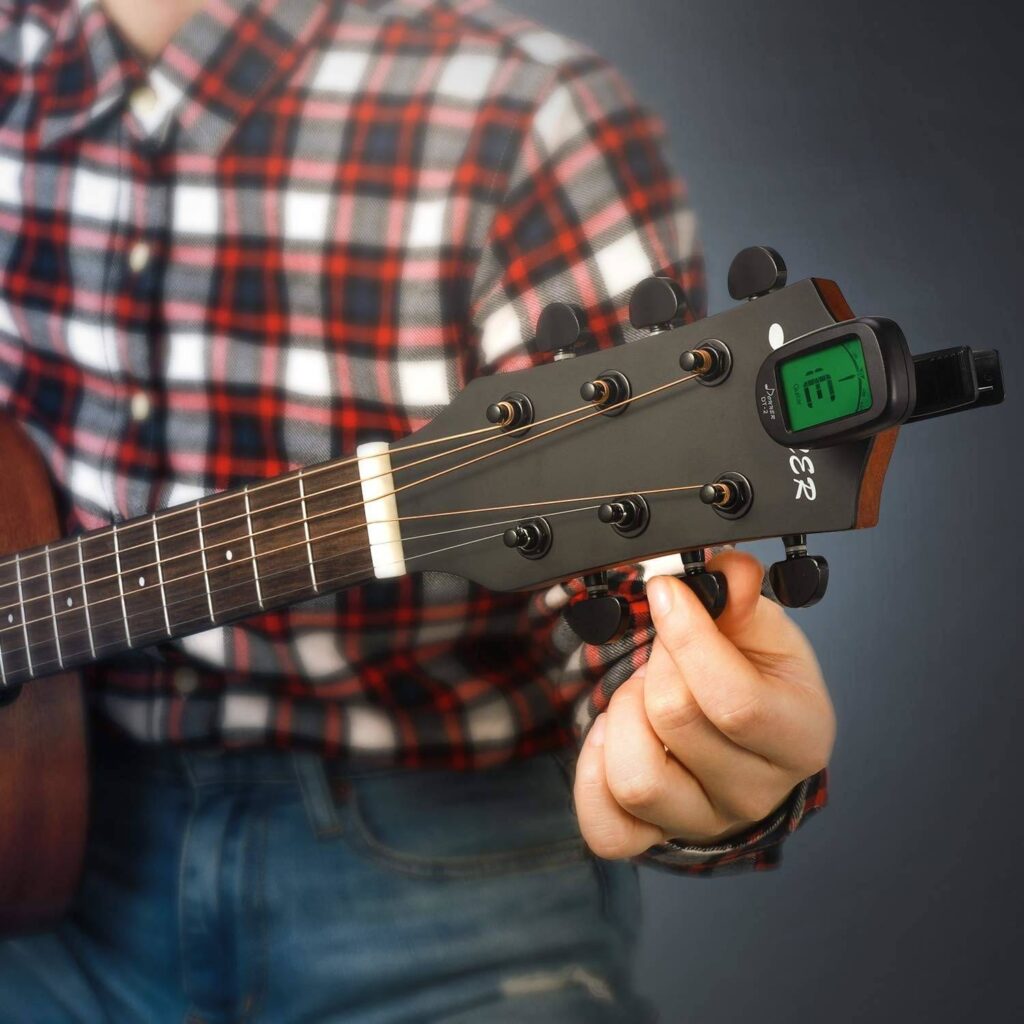
Tuner: You need a tuner which goes without saying. Want to play in tune then you need one. There are smaller hand tuners, headstock as well as tuner pedals and those included in multi effects if you go that path.
Capo is a little on the optional side but certainly worth having one in the gig bag. Playing open chords can add a depth barre cords do not really delver sonically. Get one and you’ll never have to ask someone else to borrow theirs.
Guitar Strap – This should also include Strap locks so your precious guitar does not fall off the guitar mid song and get broken. Super worth while. The strap can be anything that’s comfortable. Very personal choice!
Picks are a personal choice. If your not a finger picker then you need to have a bag full. They come in different sizes, shapes as well as thicknesses. The thicker the harder they will be so you have to try a few till you find the one you like!
Extra Strings are worth having and they do sometimes break i.e. the thin ones so having a few sets on hand is a great idea. If your breaking strings your guitar could be the cause so look at bridge and nut for sharp areas.
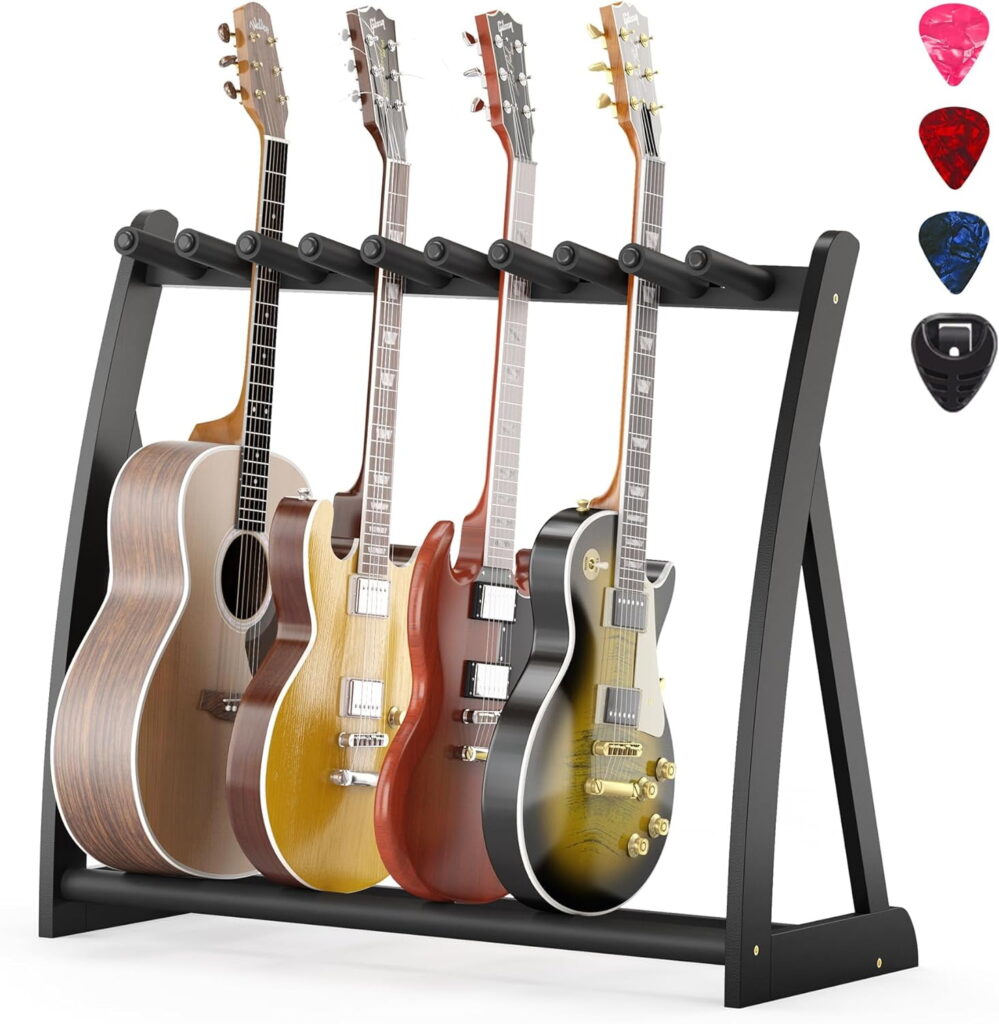
Guitar Stand or Wall Hanger for somewhere to store your guitar. You need somewhere at home as well as when you go out to play. A good solid case is often best but a little more expensive than a gig bag. Guitar necks break if they get dropped so a gig bag is convenient but a hard case will likely save you the repair expanse.
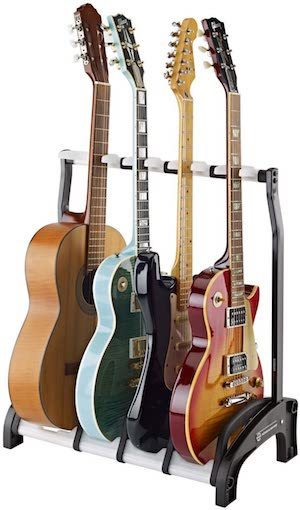
Racks are great if you have a few or plan to get a few guitars. Standard guitar stands are good but remember they can get knocked over. A personal stand is great though for home and when you go out to play. Foldable stands are very convenient.
Gig Bag or Case – Case is the only way to go in my opinion but you have to pay a bit more to get one. Guitars don’t always come with a hard case at the budget end so if you have the cash get a decent hardcase. I have hardcases for my Gibson Les Paul, Fender Strat and acoustic guitar and travelled the world working taking them with me without damage so far.
Small Amp & Cable (for Electric Guitars)
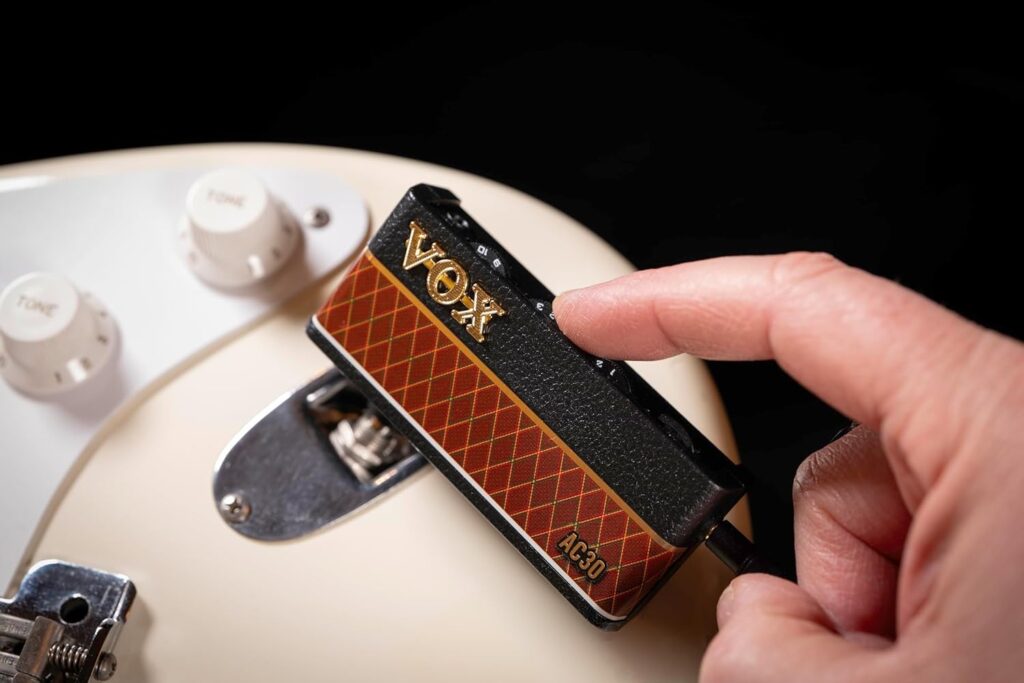
Amplification comes in many forms from small battery powered practice amps you use a headset with which are pretty amazing. $60 can get you a VOX personal amp as an example and its great to practice on your own.
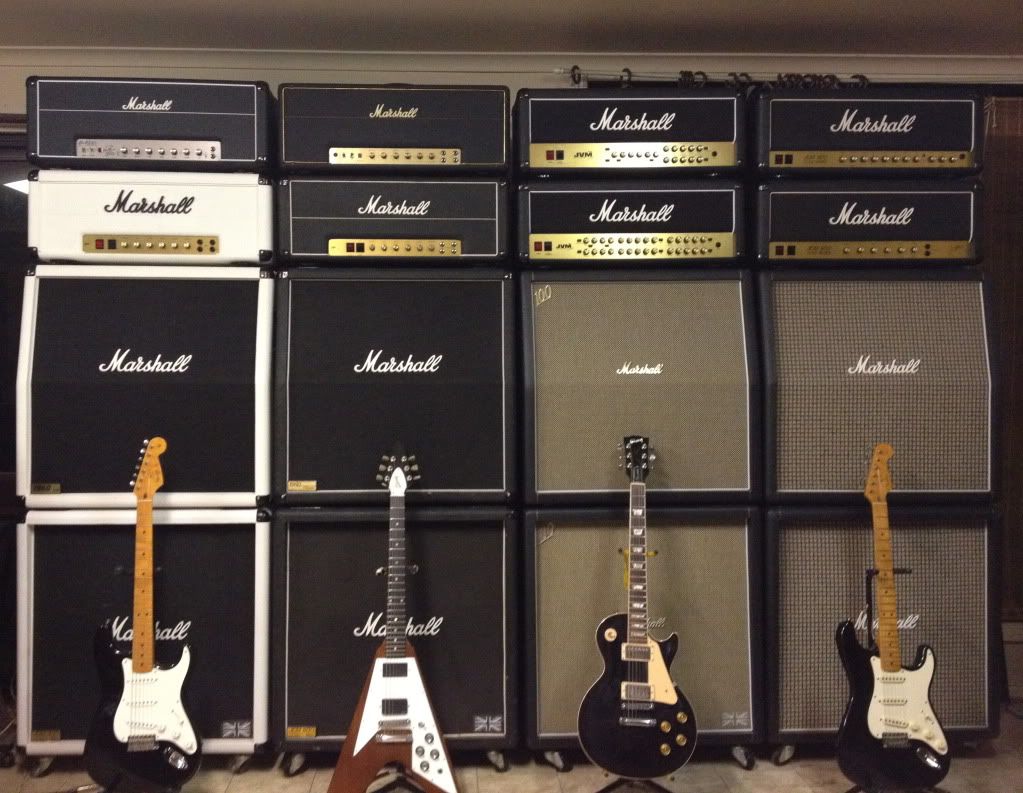
There’s a wide range of larger amps available so it will depend on generally who you wish to emulate to a point. Are you a Joe Bonamassa, SRV, ACDC, Slash (Guns N Rose’s), Metallica or someone else fan and you want to play like them.
Amps – Digital & Cabinet.
Don’t forget the many APPS available in your PC to play and record too. These sound amazing! Check out Steve From Boston’s YouTube channel. He exclusively plays through his PC when recoding clips.
There are tutorials available on how to do this and gel the playing with recorded music. You require an Instrument Interface to plug into your PC and usually a small mixing desk is useful. The PC can add a very slight delay so plugging it into a mixer and then your backing music into a separate channel with headphones or a amp plugged into the mixer makes everything gel together timewise.
Step 3: Budget vs. Quality
Budget does not now mean cheap is terrible. With the advent of CNC machining the quality of inexpensive guitars has improved immeasurably . Where they sometimes fall down is the final finish with fret edges sometimes being sharp still or the internal electronics being of a lower standard. The Plug is a good indicator of internal quality.
Yes you can update it but of you look at the cost and just add that to the guitar your buying now you’ll be more appreciable of the overall quality.
- Under $200: You can find playable beginner guitars, but setup matters. Have a local tech adjust it.
- $200–$500: Great value range. Brands like Yamaha, Fender, and Ibanez shine here.
- $500–$1000: Higher build quality, better tonewoods, and long-term playability.
👉 Don’t overspend early on. Focus on comfort, tone, and setup not flashy looks.
Step 4: How to Test a Guitar Before Buying
- Check action: Strings should sit low enough to play easily, but not buzz.
- Tune stability: Strum and see if it stays in tune.
- Neck comfort: You’ll know when it feels right — your hand should relax naturally.
- Sound: Play open chords and single notes. Does it inspire you? That’s the one.
The above are all really important points when purchasing a new guitar. String height is a big one but often fixed by dropping the bridge a little. A quality setup is the recommended way to get it just perfect.
If at the end of the day the guitar looks great to you, is a good weight, sound great (most important) as well as feels comfortable to play (Also Super important) a setup will fix the little issues and make it play like a dream at nearly any price point!
Final Thoughts
The “best” guitar is the one that makes you want to play every day. Don’t stress about perfection your first guitar is your training partner, not your final destination. Focus on getting started, learning songs you love, and building consistency. Your dream guitar will come with time.
The Author.

Brendon McAliece is a multi lingual expatriate Australian living in Thailand who speaks Thai, a number of its dialects and Lao. He has been playing guitar since he was 12 and continues to do so to this day.
He has performing in bands across the Middle East while contracting as a Aircraft Weapons Instructor with his 10 years of RAAF Armament Fitter experience and his maintained his love for playing guitar it continues to thrive today.