 Skip to content

The Best Affordable Guitars under $500 for Beginners (and Why).
How to Choose the Right Budget Guitar for Beginners.
A practical guide for parents and new players to avoid wasted money, frustration, and guitars under the bed
Buying a first guitar should be exciting. Unfortunately, it’s also one of the easiest places to make a costly mistake not just in money, but in motivation. A guitar that’s uncomfortable, hard to play, or poorly set up often ends up abandoned in a cupboard, even if the learner was genuinely enthusiastic at the start.
This guide is written for absolute beginners and parents buying a first budget-friendly guitar. You don’t need to be a musician or spend a fortune you just need to know what actually matters!
1. Price vs Quality: What “Budget” Really Means
A budget guitar does not mean a bad guitar. The world of CNC machining means a lot of quite expensive guitars are actually quite well built. Where they lack may be in the electronics of an electric as well as tuners and things like the nut on the neck.
Today, thanks to better manufacturing, you can buy a very playable beginner instrument at a reasonable price. The danger zone is the ultra-cheap end, where corners are cut on setup, materials, and quality control. Try not to go so cheap the guitar quality is poor.
Rule of thumb:
- Buy the best guitar you can reasonably afford.
- Avoid the cheapest “toy-like” guitars.
- A good setup matters more than a fancy brand name. (Pro Tip)
A properly set up budget guitar will outperform an expensive guitar that hasn’t been adjusted. It will be comfortable and not fight you to do the basic things a beginner needs to learn.
2. Weight & Balance: Why It Matters More Than You Think.
For beginners especially children the guitar weight and balance are critical. Neck dive can be an issue in some electric guitar designs where the head of the guitar wants to drop every time its not held. Avoid these unless you want a broken guitar. Pick it up and if it stays in place your good to go.
What to look for:
- The guitar should feel comfortable when sitting or standing.
- It shouldn’t feel neck-heavy or awkward to hold.
- Younger players benefit from lighter instruments.
If a guitar feels physically uncomfortable, practice sessions will be shorter and less frequent guaranteed until they likely stop.
If possible, always let the player hold the guitar before buying.
3. Initial Playability: The Single Most Important Factor
If a guitar is hard to play, beginners will quit. Full stop.
String Height (Action)
One of the biggest killers of motivation is high string height (called action).
- Strings should not feel stiff or painful to press
- Chords should be achievable without excessive finger pressure
- Barre chords are hard for beginners but they shouldn’t feel impossible
High action is extremely common on cheap guitars and it’s fixable.
Important: A guitar can look fine but still be very difficult to play.
4. Fret Ends & Neck Comfort
Run your hand lightly up and down the neck. These are the wire in the neck of the guitar. If not cut and polished they can cut your hand because they stick out of the guitar neck just a little. If you feel it grab your hand at all, then it needs fixing or just move on to another guitar.
Warning signs:
- Sharp or protruding fret ends.
- Rough edges that scratch your hand.
- Uneven or poorly finished frets.
Sharp fret ends are a sign of poor finishing or drying wood and can make playing uncomfortable or painful.
A beginner should be focusing on learning not avoiding cuts on their hands.
5. Tuning Stability: Staying in Tune Builds Confidence.
A guitar that won’t stay in tune is incredibly discouraging. You have enough to worry about as a beginner and added frustration of the guitar constantly going out of tune is just not worth the frustration.
Check for:
- Smooth tuning pegs (not stiff or slipping)
- Strings that hold pitch after tuning
- No sudden drops in tuning while playing
- New Strings correctly installed on a new guitar can make a great difference. They need to be installed and stretched when initially installed to remove all slack while installing. Lots of YouTube videos for beginners are available.
Beginners already struggle with finger placement and sound quality. If the guitar constantly drifts out of tune, they’ll assume they are the problem. Lets remove that possibility and let them focus on the playing.
Pro tip: New strings stretch. Some tuning instability at first is normal but it shouldn’t be constant.
6. Is the Guitar Set Up? (And Why This Matters More Than Brand). PRO TIP!
Most budget guitars leave the factory with no personalized setup.
A proper setup can include:
- Adjusting string height. Makes laying just easier if its correct height.
- Setting neck relief (truss rod). Ensures the neck isn’t bent like a bridge!
- Nut slot adjustments. Ensures strings fit into the neck and also can pass through easily. Strings do need to slide in the nut and not grab.
- Intonation correction. Ensures notes are in tune all over the neck of the guitar.
This can transform a frustrating guitar into a joy to play. I cannot tell you how much a new guitar set up correctly will improve the playability and enjoyment of the instrument.
Two excellent options:
- Buy from a shop that includes a setup.
- Budget for a guitar technician setup after purchase.
This is one of the best investments you can make for a beginner. Super Important.
7. Ask the Shop for Help – This Is What They’re There For.
Good music shops expect these questions:
- “Is this guitar suitable for a beginner?”
- “Has it been set up?”
- “Can the action be lowered if needed?”
If a shop dismisses these concerns, consider shopping elsewhere. Run!
A friendly guitar tech or knowledgeable salesperson can save you months of frustration. So so true!
8. Acoustic vs Electric for Beginners (Quick Guidance)
There’s no universal answer but comfort matters. Aske the new guitarist what they want to play and where! If they love classic music then an acoustic is great but if they love hard rock, metal or blues even then electric and a small amp is the way to go.
Acoustic guitars:
- No amplifier required.
- Can have higher string tension.
- Harder on fingers initially.
- Can have pickup included with EQ and normally battery powered.
- Can also have a cut-out so a player can practice scales too.
Electric guitars:
- Generally easier to play.
- Lower string tension.
- Require an amp or headphones. Note AMP likely needs OVERDRIVE and a Delay/Reverb if possible.
If motivation is the goal, ease of play should win.
9. Size Matters — Especially for Children
For younger players:
- Consider 3/4 or smaller guitars. These are a great option!
- Ensure reach and hand size are appropriate.
An oversized guitar can be physically discouraging and lead to poor technique.
10. The Real Goal: Keeping the Guitar Out of the Cupboard.
The best beginner guitar is:
- Comfortable
- Easy to play
- Stays in tune
- Properly set up
When a guitar feels good, learners practice more.
When they practice more, they improve.
When they improve, they stick with it.
A small upfront investment in quality and setup again can be the difference between a lifelong hobby and a forgotten instrument under the bed. I know I keep banging on about this but the importance of a great set up guitar cannot be qualified!
Final Advice for Parents & Beginners
✔ Don’t chase the cheapest option
✔ Prioritize playability over appearance
✔ Ask about setup — always
✔ Comfort builds confidence
A well-chosen budget guitar can start a lifetime of music.
Part Two: Recommended Budget Guitars That Are Beginner-Friendly
Below are real-world, proven beginner guitars that balance price, comfort, reliability, and playability. These are not “toy” instruments they are guitars that can last well beyond the beginner stage when properly set up.
Important reminder:
Even the best budget guitar benefits enormously from a professional setup. If the shop offers one, take it. If not, budget for it — it can completely transform the instrument.
🎸 Five Quality & Affordable Acoustic Guitars
1. Yamaha FG800 (Dreadnought Acoustic)
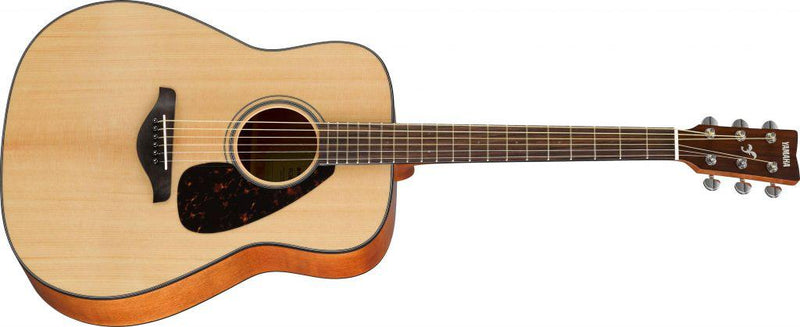
Approx. price: Budget–mid beginner range – $199 – $299 USD
Why it’s popular:
Yamaha is renowned for quality control, even at lower price points.
Key features:
- Solid spruce top (excellent at this price)
- Comfortable neck profile
- Reliable tuning machines
Pros:
- Strong, balanced tone
- Very consistent build quality
- Ages well as skills improve
Cons:
- No electronics (pure acoustic)
- Dreadnought body may feel large for smaller players
2. Fender CD-60 (Dreadnought Acoustic)
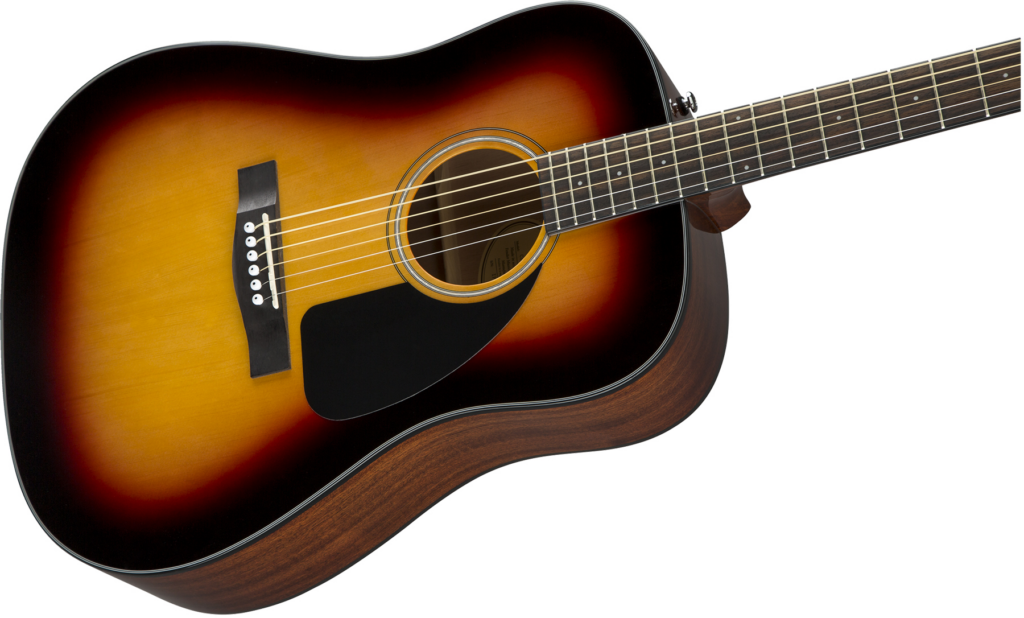
Approx price: Budget beginner range – $165 USD
Key features:
- Spruce top with scalloped bracing
- Slim, comfortable neck
- Familiar Fender feel
Pros:
- Easy to play when set up correctly
- Good strumming guitar for singing
- Widely available
Cons:
- Laminated back and sides
- Hardware is functional but basic
3. Cort AD810 (Dreadnought Acoustic)
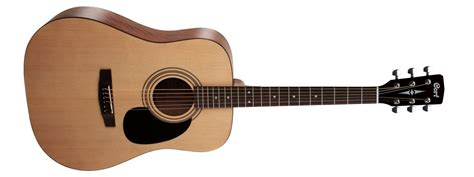
Approx price: Budget beginner range – $210 USD
Key features:
- Spruce top with mahogany back/sides
- Traditional acoustic sound
- Lightweight feel
Pros:
- Excellent value for money
- Comfortable for long practice sessions
- Often underrated brand
Cons:
- Plain aesthetics
- Benefits greatly from a setup
4. Epiphone DR-100 (Acoustic)
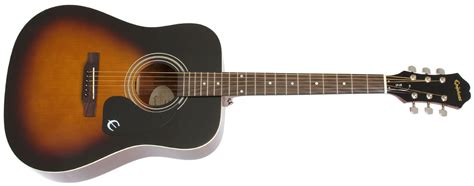
Approx. price: Entry-level budget – $169 USD
Key features:
- Slim neck profile
- Warm, mellow tone
- Lightweight body
Pros:
- Very approachable for beginners
- Comfortable neck for smaller hands
- Widely recommended as a first acoustic
Cons:
- Basic factory setup
- Hardware is entry-level
5. Donner DAG-1C (Beginner Acoustic Package)
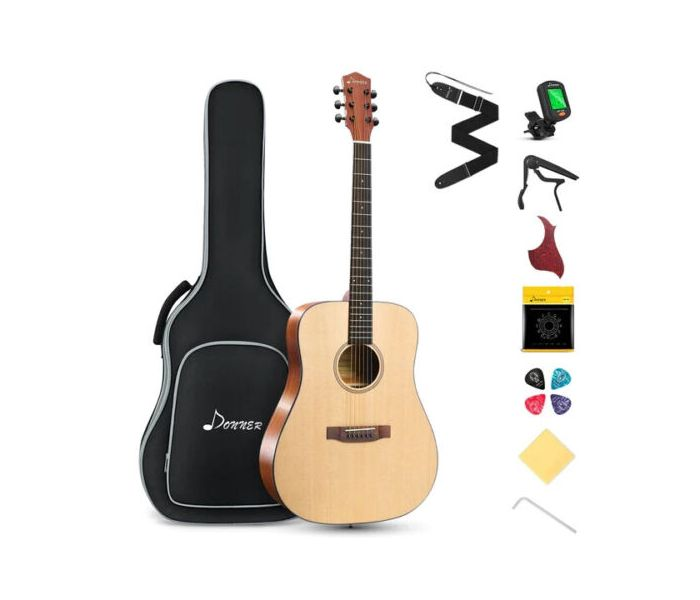
Approx price: Entry-level budget – $169 USD
Key features:
- Full starter bundle (tuner, strap, picks)
- Dreadnought body
- Beginner-friendly neck shape
Pros:
- Excellent value starter kit
- Everything needed to begin immediately
- Ideal for parents buying first instrument
Cons:
- Setup quality varies
- Tone is good but not premium
⚡ Five Popular Budget Electric Guitars (Different Styles)
1. Squier Stratocaster (Strat Style)
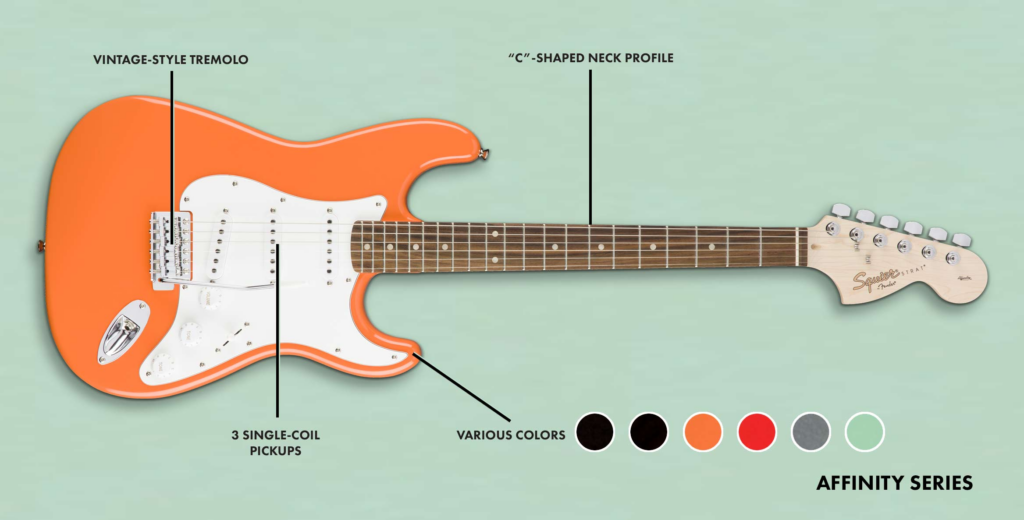
Approx price: Budget beginner range – 189 – 260 USD (Depends in configuration)
Body style: Stratocaster
Key features:
- Three single-coil pickups
- Lightweight body
- Comfortable neck profile
Pros:
- Extremely versatile sound
- Easy to play and maintain
- Perfect learning platform
Cons:
- Single coils can hum slightly
- Less aggressive tone for heavy music
2. Epiphone Les Paul Special / LP-100 (Les Paul Style)
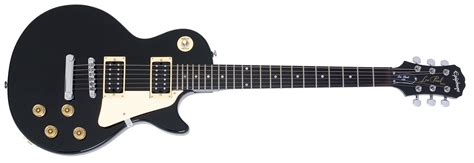
Approx price: Upper beginner budget – $160 – $260 – $400 (Pack with Amp) Approx USD
Body style: Les Paul
Key features:
- Dual humbucker pickups
- Shorter scale length
- Thick, warm tone
Pros:
- Excellent sustain
- Great for rock and blues
- Easier string tension for beginners
Cons:
- Heavier than Strat-style guitars
- Body shape can feel bulky for younger players
3. Yamaha Pacifica 012 / 112 (Strat-Inspired)
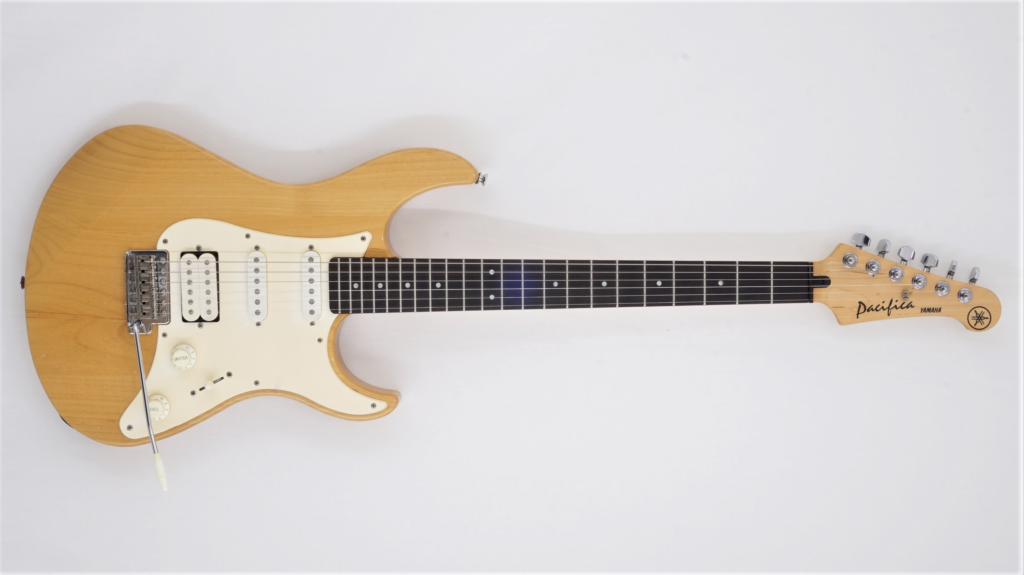
Approx price: Budget–mid beginner range – $260 and Upward. Many different options and prices can climb into the thousands still. The base level are still great!
Body style: Strat-style (HSS configuration)
Key features:
- Humbucker + single coils (versatile)
- Excellent Yamaha build quality
- Comfortable contouring
Pros:
- Covers many genres
- Reliable tuning stability
- Fantastic learning guitar
Cons:
- Conservative styling
- Stock pickups are decent, not premium
4. Jackson JS1X Randy Rhoads Minion Electric Guitar
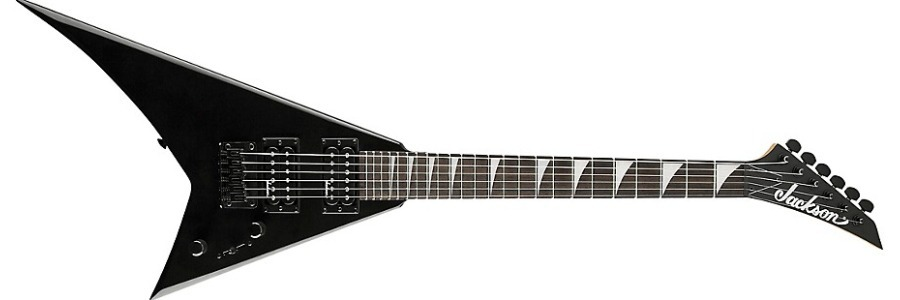
Approx price: Entry to mid beginner range – $300 USD & Upward depending on Model.
Body style: Explorer
Key features:
- Dual humbuckers
- Aggressive shape
- Solid body construction
- 24 Frets
Pros:
- Inspires rock and metal players
- Strong, punchy tone
- Visual motivation for younger players
Cons:
- Large shape may be awkward seated
- Balance varies between brands
- Setup is essential
5. Ibanez GRGR131EX GRG Series 6-String Electric Guitar Flat Black
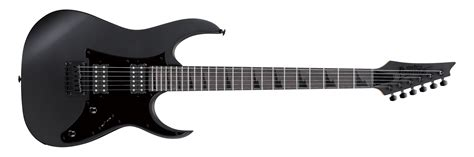
Approx price: Budget beginner range – $300 USD & Upward depending on model.
Body style: Super-Strat / Modern
Key features:
- Slim, fast neck
- Humbucker pickups
- Lightweight body
Pros:
- Very easy to play
- Ideal for modern rock and metal
- Comfortable for long practice sessions
- 24 Fret
Cons:
- Less traditional tone
- Thin neck may feel unfamiliar to some
Final Tip for Parents & Beginners (Worth Repeating)
A well-chosen budget guitar + proper setup will:
- Be easier on fingers
- Sound better
- Stay in tune
- Encourage regular practice
That combination alone can be the difference between
🎸 a lifelong passion and ❌ a guitar under the bed.
The Author.

Brendon McAliece is a multi lingual expatriate Australian living in Thailand who speaks Thai, a number of its dialects and Lao. He has been playing guitar since he was 12 and continues to do so to this day.
He has performing in bands across the Middle East while contracting as a Aircraft Weapons Instructor with his 10 years of RAAF Armament Fitter experience and his maintained his love for playing guitar it continues to thrive today.
