

How do I Change Strings, Maintain my Guitar & Why Doesn’t it Stay in Tune?
Why Guitar Maintenance Matters.
A well-maintained guitar sounds better, stays in tune longer, and lasts for years. Whether you play an acoustic, electric, or classical, basic upkeep is essential. Don’t worry it’s not as complicated as it sounds. A few simple habits can make all the difference.
1. Changing Your Strings: Step-by-Step
How often?
If you play daily, change strings every 4–6 weeks. Occasional players can stretch it to every 2–3 months. Old strings sound dull, feel rough, and can even affect tuning stability. You will immediate hear and feel the difference with a set of new quality guitar strings.
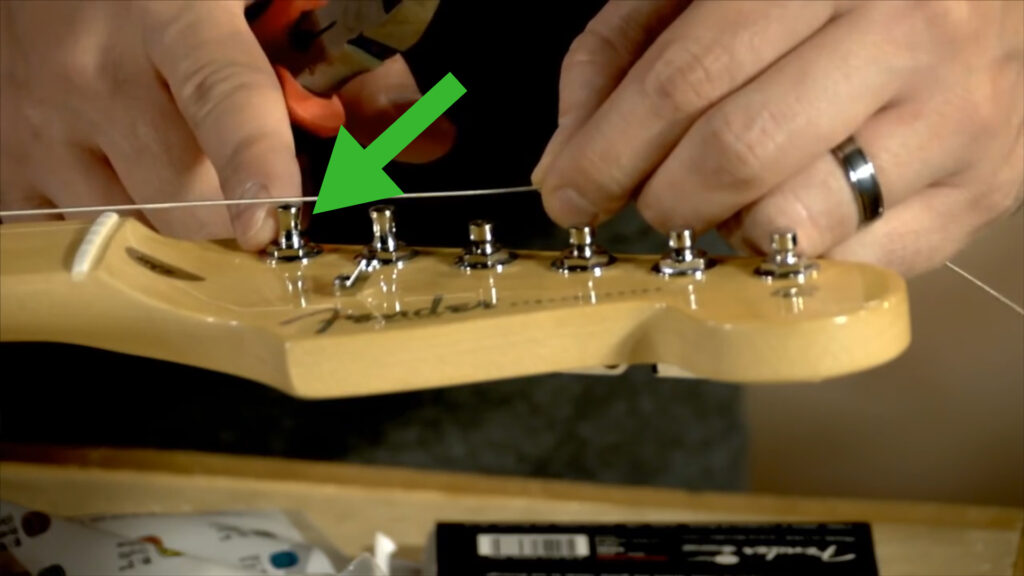
Step-by-Step Guide
- Loosen the Old Strings
Turn the tuning pegs slowly to release tension. Don’t just cut them while tight it can damage your guitar neck. Use a winder to remove them. Both manual and electric winders are available at guitar shops. - Remove the Strings
- Acoustic: Pull out the bridge pins carefully (use a string winder with a pin puller).
- Electric: Pull the strings through the bridge or tailpiece.
- Clean the Fretboard
Use a soft cloth or a small amount of lemon oil on rosewood or ebony boards (avoid on maple). Remove built-up grime while the strings are off. - Insert the New Strings
- Thread through the bridge or insert pins (for acoustic).
- Pull through the tuning post, leaving some slack.
- Wind neatly each wrap should go below the previous one to keep stable tension.
- Stretch and Tune
Gently stretch each string upward and retune several times. This helps them “settle” and stay in tune faster.
2. Keeping Your Guitar in Tune.
Even a new guitar can slip out of tune often. Here’s why and how to fix it.

Common Reasons Your Guitar Won’t Stay in Tune
| Cause | Solution |
|---|---|
| New strings slipping | Always stretch and retune after restringing |
| Old strings losing elasticity | Replace regularly |
| Temperature & humidity changes | Store in stable environment; use a humidifier if needed |
| Loose tuning pegs or nut friction | Tighten screws; use graphite (pencil lead) on nut slots |
| Poor intonation | Adjust the bridge saddles (electric) or consult a tech (acoustic) |
A lot of these issues are caused simply by not installing the guitar strings correctly, ensuring they are locked over themselves when installed and then not having the slack pulled out and strings slipping.
If you change environments such as from a cool air-conditioned room then run on stage in the heat of the day the wood in the guitar reacts making the tension on the guitar change and it goes out of tune.
Sure, sit in the cool room but leave your guitar in the environment it will be used for say 30 minutes and go tune it ten minutes before your about to play.
Pro Tuning Tips
- Always tune up to the note (not down). ie release then wind back up!
- Use a clip-on or pedal tuner for accuracy.
- Recheck tuning after bending strings or playing aggressively.
- Consider locking tuners for extra tuning stability (on electrics).
3. General Guitar Maintenance & Care.
Clean After Every Play
Wipe down your strings and body with a microfiber cloth. Sweat and dirt corrode strings and finish. You pay good money for a great guitar so ensure you look after it. Get all your sweat and grime off it and maintain it ready for the next set!
Humidity Control
Wood expands and contracts with humidity:
- Ideal range: 45–55% humidity
- Too dry: cracks and fret buzz
- Too humid: swelling and high action
Use a guitar humidifier (especially for acoustics).
Again ensure your instrument is out in the environment your going to play it and tune it prior to going on stage to play! Save the embarrassment of having to stop your first song to tune your guitar and look like an armature! Don’t put picks or cigarettes in your strings in the head! They add tension and change the note the guitar gives.
Fretboard & Body Care
- Fretboard: Use lemon oil sparingly (2–3 times a year max).
- Body: Use a guitar polish (avoid furniture polish).
- Frets: Clean gently with fine steel wool (#0000 grade) if tarnished cover pickups first!
Check for Loose Parts
Every few months:
- Tighten strap buttons and tuning machines.
- Check cable jacks and pickup screws.
- Listen for buzzing or rattling sounds.
Check the strap locks are clean and functional. You don’t need your guitar falling on the stage when your playing.
Storage Tips
- Always store your guitar in a case or on a stand never lying flat.
- Avoid direct sunlight, air conditioning vents, or near heaters.
- Loosen strings slightly for long-term storage.
4. When to Visit a Guitar Tech.
Even with regular care, sometimes a pro setup makes all the difference. Consider visiting a technician if:
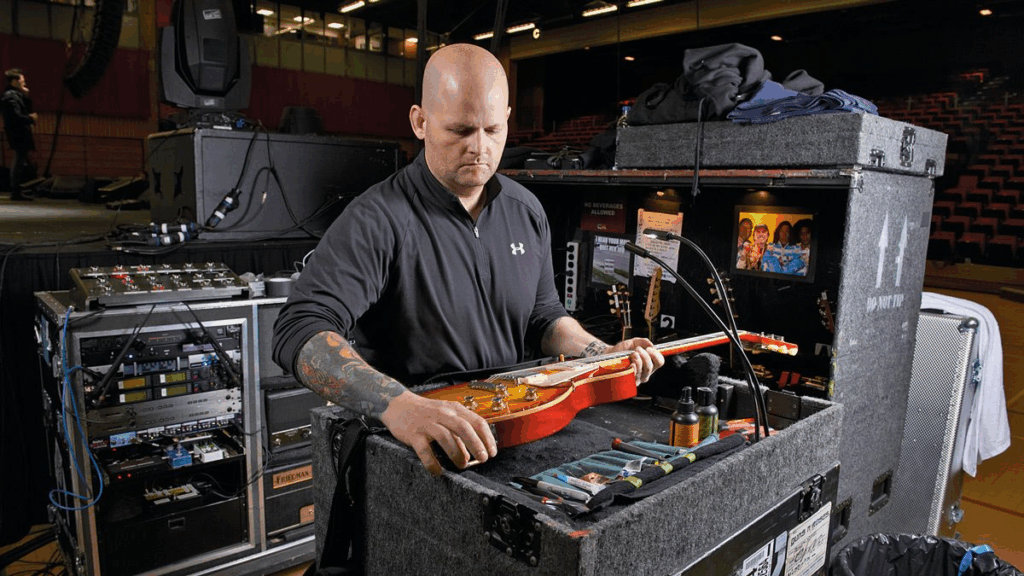
- Your guitar buzzes, plays unevenly, or won’t intonate.
- You want to adjust action height or upgrade hardware.
- Your neck looks warped or feels uncomfortable to play.
A proper setup (about once a year) ensures your guitar plays and sounds its best. Its really worth the maintenance if your playing regularly!
Final Thoughts
Changing strings and maintaining your guitar may seem daunting, but it’s part of becoming a confident player. Treat your guitar like a trusted partner keep it clean, tuned, and happy, and it’ll reward you with great tone and years of inspiration.
The Author.

Brendon McAliece is a multi lingual expatriate Australian living in Thailand who speaks Thai, a number of its dialects and Lao. He has been playing guitar since he was 12 and continues to do so to this day.
He has performing in bands across the Middle East while contracting as a Aircraft Weapons Instructor with his 10 years of RAAF Armament Fitter experience and his maintained his love for playing guitar it continues to thrive today.
Also Visit:
DreamingGuitar.com – DreamingCoffee.com – LetsFlyVFR.com
Explore More from the Dreaming Network
As an Amazon affiliate I may earn on qualifying sales.